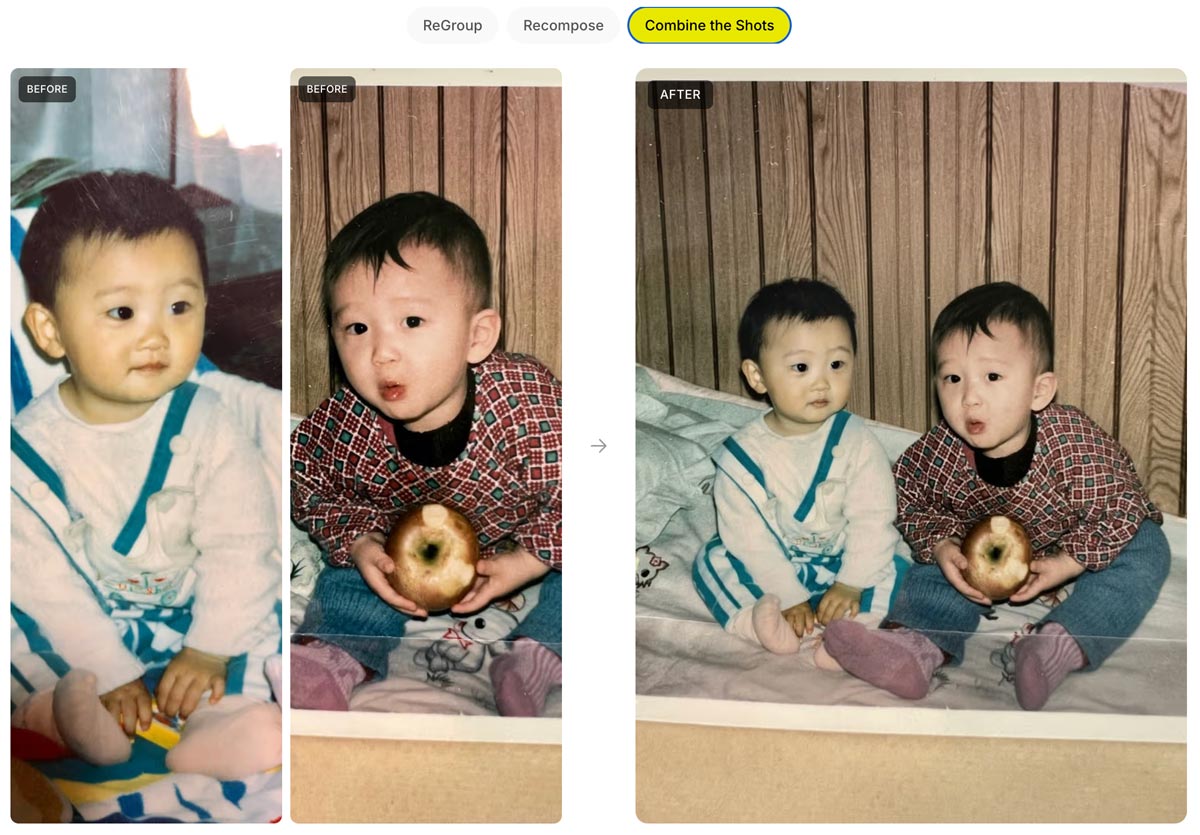
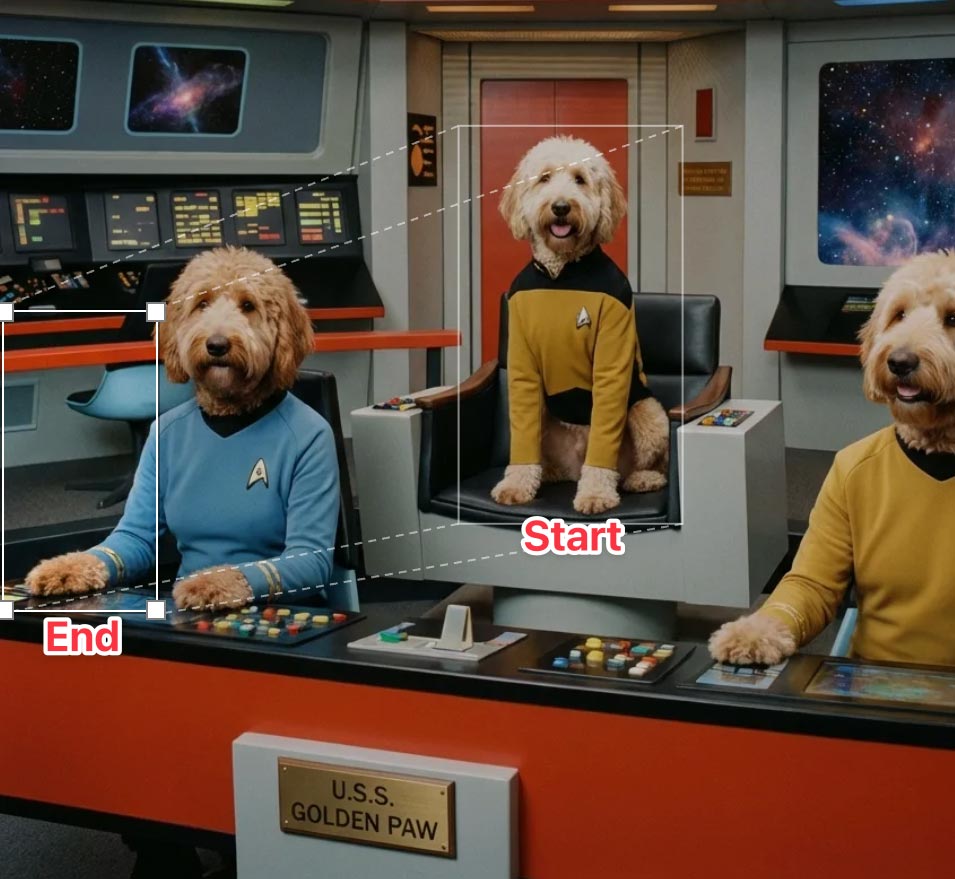
Get every angle from one product shot. Camera control rotates around any image in a full 360. Use it on PDPs, campaign stills, lifestyle, whatever you shot last week.
My first week at Google in 2014, I was asked to send a company-wide dogfood email about automatic teeth whitening in Photos. We got draaaaaged hard by offended Googlers, & the feature never launched.
The important lesson: cosmetic stuff can be welcome, but only as opt-in, not as AI-imposed judgement of your appearance. I used to liken the difference to my wife walking through a department store & being offered a makeover by a beauty products salesperson—versus that person simply grabbing her & forcibly applying the makeup (!).
In any case, now you can opt into using these features in Photos (only on Android at the moment, it appears):
New touch-up tools are now rolling out in Google Photos to help you make quick, subtle fixes — like refining skin texture, brightening eyes, or whitening teeth. You’re in total control of the chosen effect intensity for every face in the frame. pic.twitter.com/CqgbNXjPIm
Despite—or perhaps because of—growing up without MTV (I know, the Gen X horror...), I’ve always had a real fascination with the video for Peter Gabriel’s Sledgehammer. Check out its rad zoetrope picture disc incarnation:
The zoetrope picture disc 12” of Sledgehammer is out this Saturday as part of #RecordStoreDay
Designed by Drew Tetz and Marc Bessant.
Please visit the Record Store Day website to check out the full list of releases and also visit your local record store to see what they plan to… pic.twitter.com/arJfTYLk4k
I had no idea! And yet here “I” am, thanks to this new-to-me feature. In at least this first test, the visual likeness is very good, the gestures are a little off, and the voice is that of someone else (not shocking, as the creation flow asked me to read aloud only a couple of numbers):
Spending four minutes listening to Diplo’s thoughts on how art will be made going forward, and specifically on the value of quirky, messy, world-experiencing humans will be a good use of your time, I promise. The machine needs us ghosts.
if you are a creative you need to adapt or just like give up and become an uber driver until everyone has a waymo. I know it’s not cool or classy to speak like this but i’m not gonna candy coat the future – it is what it is . sorry for bad new’s my purist . there will always need… https://t.co/SXswII51wv
I’ve been sending this video to friends & family to explain what the heck it is I actually, y’know, do for a living. (It’s somehow related to enabling all this!)
Here’s a good summary from Gemini:
Digital Clones for A-listers (0:33–1:56): The Creative Artist Agency (CAA) is helping actors create and store secure digital doubles of their likeness and vocal inflections. This serves as a “vault” to protect their intellectual property and assert rights against unauthorized use.
Deep Voodoo’s AI Innovations (2:15–3:54): Founded by Trey Parker and Matt Stone of South Park, this studio uses proprietary facial scanning and AI to perform tasks like real-time de-aging for projects like the TV series Before and Billy Joel‘s recent music video.
Production Efficiency and Ethics (6:03–7:40): Director Darren Aronofsky and filmmaker Eliza McNitt utilized Google’s Veo 3 model for the short film Ancestra. AI allowed them to create complex cosmic visuals and even recreate a newborn baby digitally to avoid the ethical concerns of filming with a real infant.
Commercially Safe AI Tools (8:00–9:10):Asteria Film Company, co-founded by Natasha Lyonne and Bin Moser, focuses on building “commercially safe” AI models trained strictly on licensed materials to avoid copyright infringement, emphasizing that learning to use AI is an essential skill for modern filmmakers.
The Human Element (4:48–5:13): Despite the rapid evolution of AI, industry unions like SAG-AFTRA emphasize that human performers bring a unique, special quality to projects that algorithms cannot replicate, advocating for guardrails to ensure AI serves as a tool for creators rather than a replacement.
Honestly, in taking my new role at Google & working to bring Veo and other models to creators, it’ll likely be hard to focus on the more boring bits (which, as with every job, will certainly be there) when storytellers like Darren Aronofsky & Eliza McNitt are pushing the limits of the tech & all I want to do is dive in up to my eyeballs. 🙂 But, as they say, that’s a good problem to have, and I look forward to learning more over time.
Meanwhile, check out this look into the making of ANCESTRA, made by Eliza (and team) about her own birth:
The last time I visited Industrial Light & Magic, Russell Brown & I grabbed lunch with Photoshop co-creator John Knoll. As they’d just retired a bunch of bulky rendering hardware, John was busily removing the fascia (adorned with Imperial logos) and adding decorative blinkenlights, creating some pretty exceptional décor for his office.
I was reminded of this seeing Russell share this 1-minute history of how John’s work at ILM proved to be crucial in his & Thomas’s creation of Photoshop:
00:00 Cold Open — AI, Creativity & The Big Question 00:50 Welcome to Creative Outsiders 01:09 Introducing Russell Brown (“Doc”) 02:00 Photoshop Origins: ILM, Star Wars & The Abyss 06:55 The “Holy Sh*t Moment” — Taking Control of Images 11:10 From Rub-Down Type to Digital Creativity 12:05 Where Creativity Comes From 16:00 Becoming the Best at What You Love 18:15 Enter AI — Tool or Threat? 24:00 The Future of Photography & AI Workflows 30:15 Creating Films with AI & Storyboarding 34:00 The Ethics of AI in Photography 37:00 AI for Pre-Visualization (Not Replacement) 43:00 From Photoshop Fear to AI Fear 44:30 Why Russell Shoots on iPhone 48:00 Simplicity, Constraints & Creativity
And just in case you’re curious, here’s John recreating the first demo of Photoshop, some 20 years after the fact (which is itself now 16 years ago, OMG…):
Call that logo Shai-Hulud, ’cause it’s one enormous worm.
NASA reintroduced its iconic 1975 ‘worm’ logo back in 2020, cool to see it in full glory on the side of an Artemis II rocket booster. Each letter is 6 ft 10” tall and altogether 25 ft long. The Exploration Ground Systems Team use a laser projector to tape off, then paint by hand. pic.twitter.com/JMIQUcApWw
Hey gang—I am beyond delighted to say that I’m returning to Google, taking a Cloud AI PM role focusing on generative media!
As Paul Simon told us, “These are the days of miracles and wonder”—and I wonder at my amazingly good fortune getting to help shape these miracles.
Ever since 2000, I’ve focused my PM career on “unblocking the light,” helping people make the world more beautiful and fun. From Photoshop to Google Photos to M365, I’ve loved learning what truly matters to creators. Nothing beats zeroing in on real needs, then marshaling some big giant brains to deliver everything from big breakthroughs to crafty little mint-on-the-pillow delights.
Returning from last fall’s Adobe MAX, I summarized attendees’ vibe as “Overwhelmed, But Optimistic.” Now the pressure—and privilege—is to turn that optimism into action.
There’s so much I don’t yet know about this role—but what I know for sure is that I can’t do it alone.
I know I need you.
As we all navigate this bewitching, bewildering time, let’s stick together. Please keep me honest, grounded in knowing just what you need—and what you don’t. That way I can advocate accordingly, helping Google focus on exactly what’ll benefit you most.
Questions & ideas for collaboration are always most welcome: [last name @ employer dot com]. And in the meantime I’ll keep sharing my most interesting finds on the ol’ blog—especially in the burgeoning AI/ML category.
I love behind-the-scenes little insights like these. Click or tap as needed to see the full post:
NASA trained astronauts to take photos without being able to see what they were shooting. They bolted a camera to each astronaut’s chest, removed the viewfinder, and handed them pressurized gloves so thick they could barely feel the shutter button. Before each Apollo mission,… https://t.co/QS1bOKtNvopic.twitter.com/tJxgRVlwJ3
Phota—about which I expressed some initial misgivings, given its ability to rewrite memories—has launched Phota Studio & their API. From what I can tell, it builds upon a Nano Banana foundation and adds personalization that relies on uploading dozens of images of each individual in order to maximize identity preservation:
With Phota, for the first time, you can generate, edit, and enhance photos while keeping your identity intact, every time.
We’re not building a generic foundation model. We build personal models about you, and about the people and pets around you. At the center are profiles, built from your personal album that learn the details of your appearance that make you recognizable as yourself: how you smile, your eye color, and how your face looks from different angles. Your personal model is private and only used by you.
Today, we introduce Phota Studio and Phota API, powered by our photography model that brings flagship image model capabilities, personalized to you.
With personalization, an image model stops being just playful and starts becoming useful for photography.
Here’s a quick thread in which I tried inserting myself into a couple of images, using both Phota’s model (which depended on my uploading 30+ images of myself) and just Nano Banana straight out of the Gemini app:
Heh—it’s fun to see the fruits of my former team’s efforts going to fun use: Google’s open-source MediaPipe framework enables body tracking, among many other things:
i made tetris but the board and pieces are attached to your body and it’s quite tiring to play pic.twitter.com/yEoA49igpX
I love love love the attention to detail that Phil Lord and Christopher Miller brought to the film. Check out the lengths they & their crew went to on everything from devising rotating lights for the inter-ship tunnel (conveying constant rotation) to nailing film grain. And I love the exuberance & generosity of creators in sharing so many insights into design & process.
“Now with more distractions” isn’t usually the kind of thing one would tout—but as you’ll see, it’s just the kind of smarts people want for clean-up work:
Photoshop’s Remove Tool is getting a HUGE upgrade with more distractions.
Here’s a fun, ultra-simple way to turn an image (or just a prompt) into a short, multi-shot narrative:
Introducing the Multi-Shot App. An easy way to go from a simple prompt to a thoughtfully crafted scene. All with dialogue, sound effects, intentional cuts, pacing and cinematic framing. Start from an image or go purely Text to Video for total creative exploration. Available now… pic.twitter.com/ek5uuuVf06
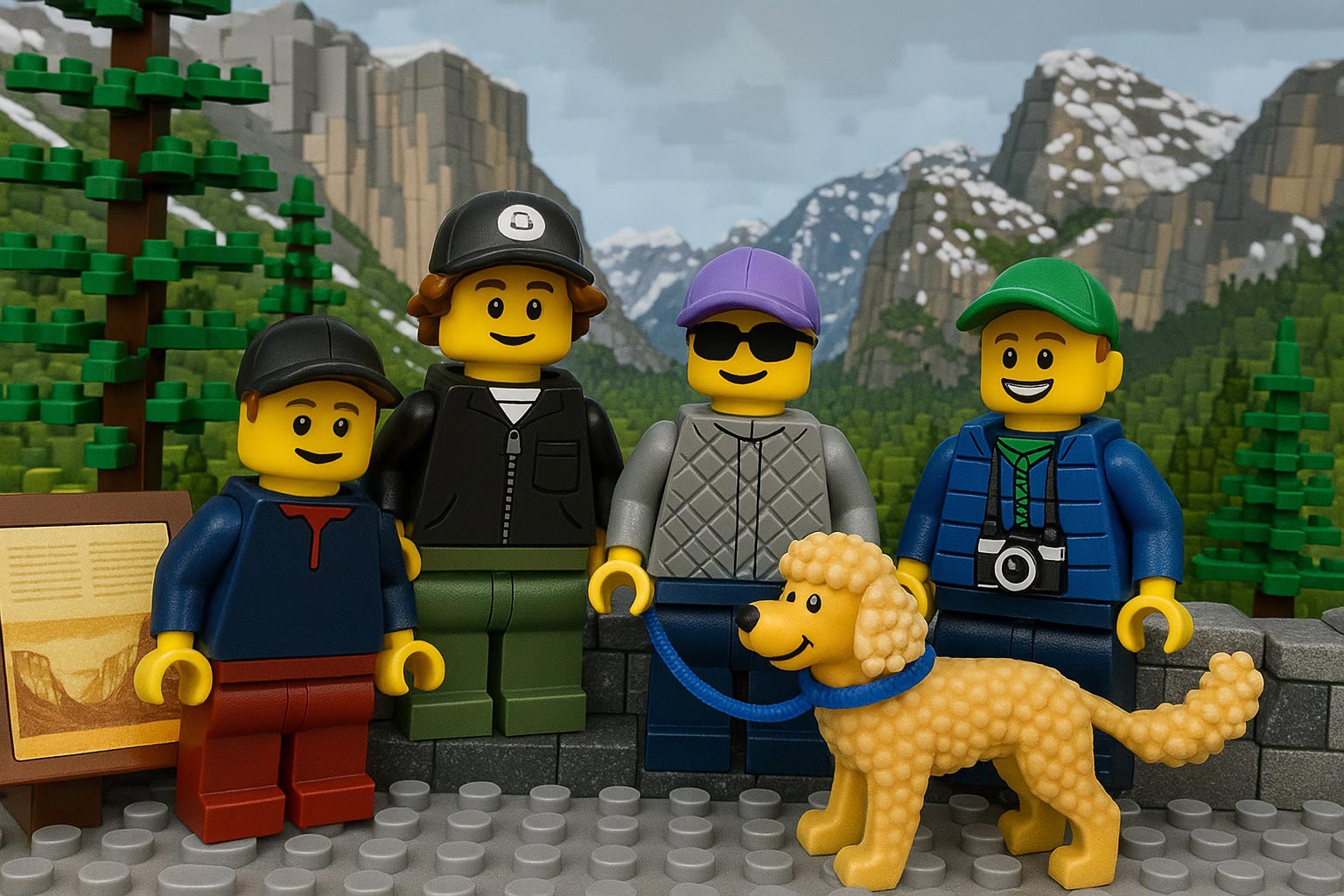
A family of Lego people and their dog gaze around Yosemite’s most iconic vista, then reminisce about that time they got stuck there in the snow in their VW van, expressing hope that they don’t get stuck again!
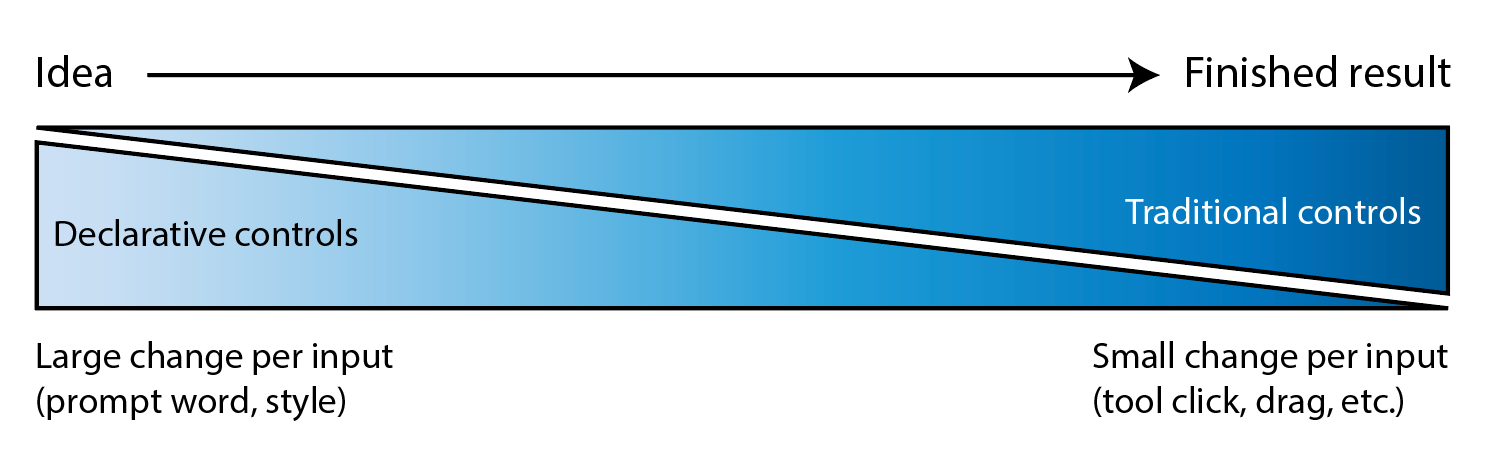
I’ve long quoted James Ratliff, the super sharp designer behind Adobe’s Project Graph (who’s recently decamped to Figma), in nicely phrasing how the process of generating & refining ideas generally starts broad/declarative (searching, prompting) and moves towards fine-grained methods (selecting, moving, etc.):
I see an increasing number of tool & model creators mixing modalities—even in the Gemini Super Bowl ad featuring a mom & daughter drawing a simple circle to show where they’d like to add a dog bed.
I’m eager to check out Lovart’s take on the possibilities, especially for animation:
⚡️ New on Lovart: Move Object
→ Select any object with rectangular or lasso tool → Move it wherever you want → Prompt optional modifications → One clean, consistent image
“3D scenes, websites, games, apps,” promises Spline. “Describe anything and Omma builds it for you in seconds.”
Omma combines code generation (LLMs), 3D AI mesh generation, and Image generation all in one place for you to build and ship. Deploy to production, assign custom domains, and more.
Ten years ago (!), the embryonic social app Peach suddenly blew up on the scene—only to molder shortly thereafter. Adam Lisagor tartly predicted that outcome right after Peach debuted:
I just joined Peach. Did you see that thing on Peach? Only teens use Peach these days. Nobody uses Peach anymore. Oh my god, remember Peach?
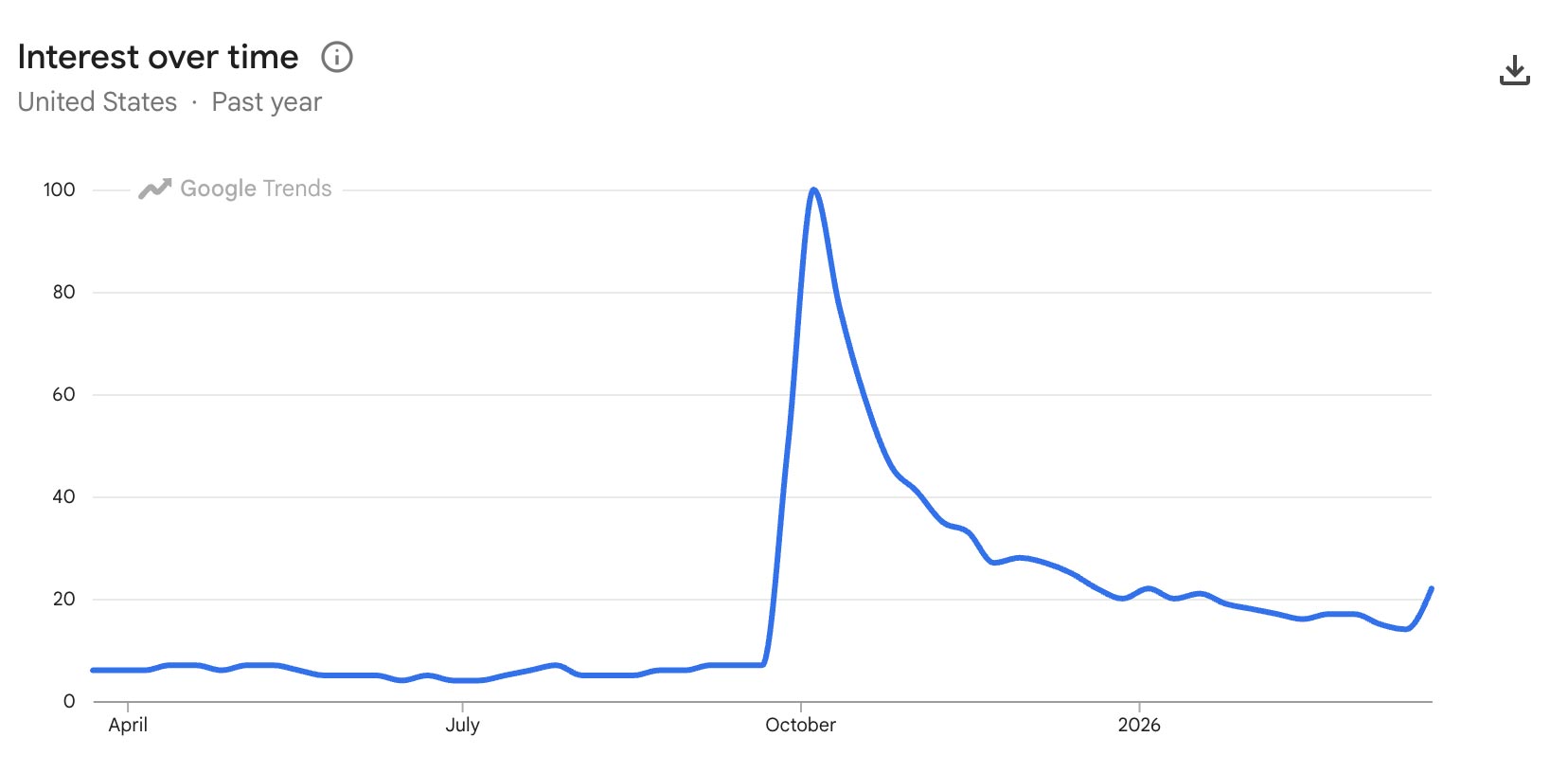
I’m reminded of this upon hearing that OpenAI has bailed out on Sora, which they launched just a few months ago. In a way I’m not surprised—check out how interest in the tech spiked & then rapidly cratered—except that just a couple of months ago Disney signed a billion-dollar deal to use it. ¯\_(ツ)_/¯
On a conceptually (though not necessarily technically) related note, the LICA dataset may help model makers train layered generation:
Much of today’s AI-generated graphic designs look like slop because there is a lack of high-quality, open datasets. This space is a cluster of walled gardens (@figma , @canva , @Adobe ). We’ve built one of the largest graphic design dataset, 1.5 million compositions spanning… pic.twitter.com/YauAe7ugiD
Five years ago, I spent an afternoon with a buddy watching Disco Diffusion resolve a weird, blurry, but ultimately delightful scene over the course of 15 minutes. Now Runway & NVIDIA are previewing generation that’s a mere ~90,000x faster than that. Ludicrous speed, go!!
A breakthrough in real-time video generation.
As a research preview developed with @NVIDIA and shared at @NVIDIAGTC this week, we trained a new real-time video model running on Vera Rubin. HD videos generate instantly, with time-to-first-frame under 100ms. Unlocking an entirely… pic.twitter.com/juafjvk0wm
I always appreciate getting a peek into the incredible effort & craftsmanship that go into a production like this. Forget special effects: the physical grit on display here can’t be faked.
Now throw your shoulders back and go effin’ nuts. 😀
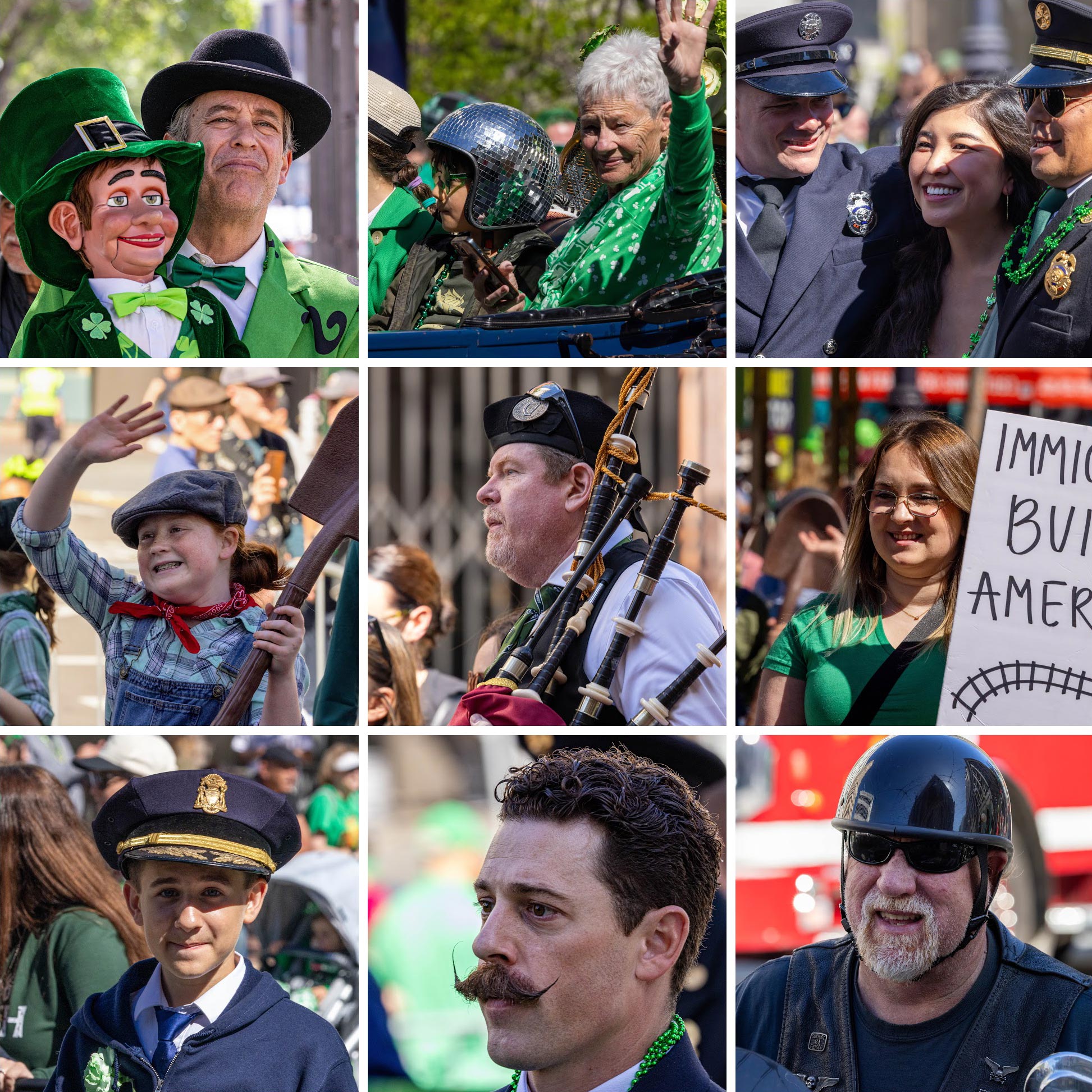
And for some more blog-appropriate content: Here are some fun pics & vids my son Henry & I captured on Saturday during SF’s wonderfully diverse & quirky St. Patrick’s Day parade:
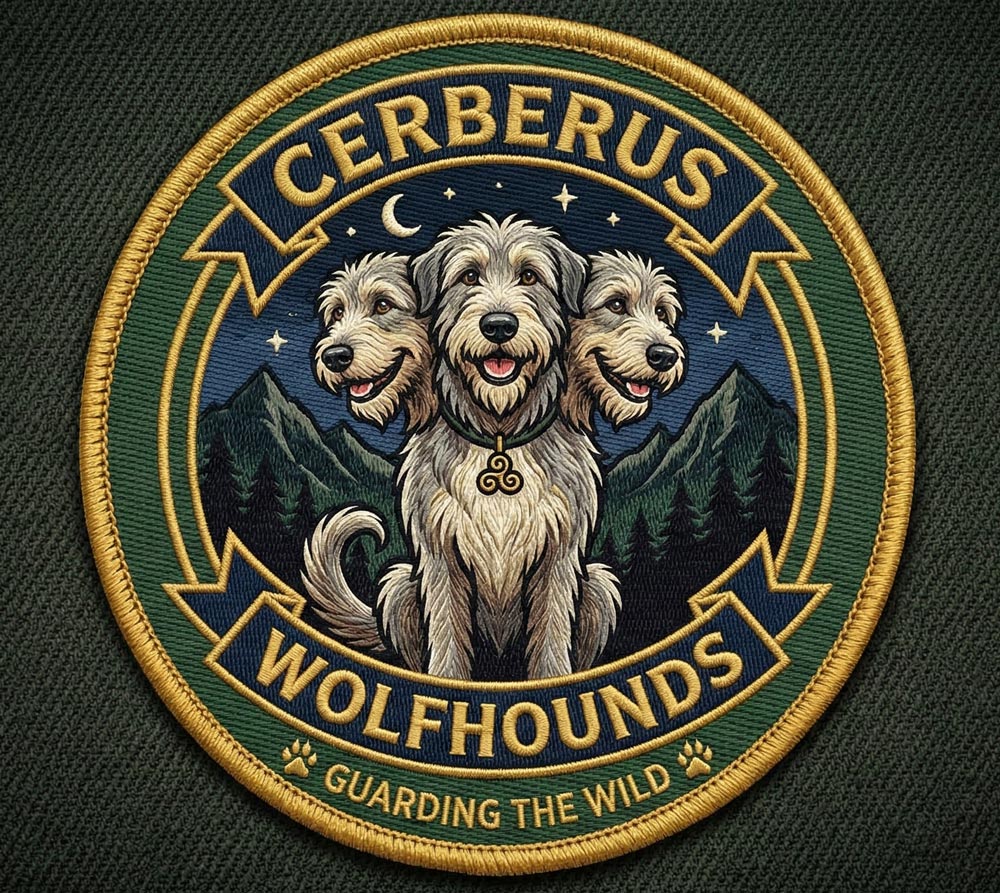
Bonus: here’s a gallery of Irish wolfhounds, if you’re into that kind of thing. I couldn’t quite get these good boys to align like Cerberus, so I resorted to telling Gemini my hopes & dreams—as one does.
An AI paradox: as models get vastly more complex, interfaces can get vastly simpler. We can make computers conform to our reality—not the other way around.
Steve Jobs described exactly this evolution all the way back in 1981:
Structuring your prompt well turns out to be key in avoiding garbled text. As the presenter says, “It’s not about writing more. It’s about writing in the right order.” Check out this brief overview.
In this tutorial, you’ll see how to use Nano Banana Pro and Kling 3.0 Omni together to solve one of the most common pain points in AI product video: text that blurs, warps, or drifts mid-motion. We’ll walk through a practical workflow for maintaining legibility and visual consistency in product shots, so your labels, logos, and copy stay clean from the first frame to the last.
Hey, remember the pandemic? We sure made some impulse buys then, didn’t we?
For me it was Insta360’s bizarre, modular 360º camera plus the elaborate mounting kit that promised to strap its shards onto the top & bottom of my DJI Mavic, enabling some magical, drone-less captures. Suffice it to say the thing was a complete POS—dysfunctional even as a handheld action cam, much less as a bunch of theoretically interconnected pieces thousands of feet in the air.
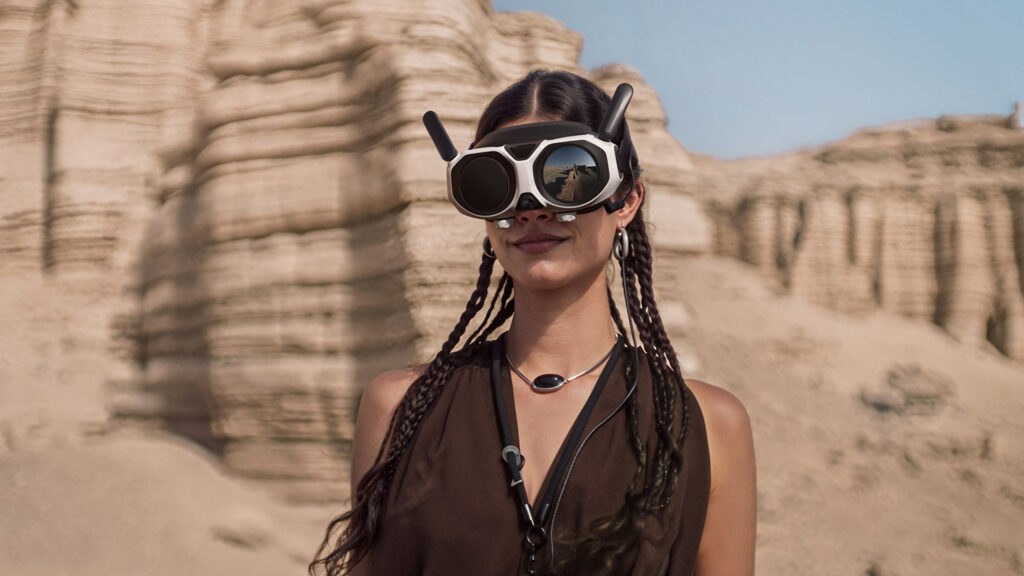
And yet… who doesn’t love the promise of capturing immersive footage that enables crazy post-processing camera moves? Insta’s on it, releasing their first 360º drone, the Antigravity A1:
Some cool details:
With Antigravity’s proprietary FreeMotion technology, the drone — together with the Vision goggles and Grip controller — enables an immersive flying experience that feels both natural and intuitive. Pilots can fly in one direction while looking in another. This level of immersion enables more freedom to explore. The 360 immersion doesn’t end just because the drone lands — recorded footage can be viewed in 360 over and over again, letting users discover new angles every time they watch.
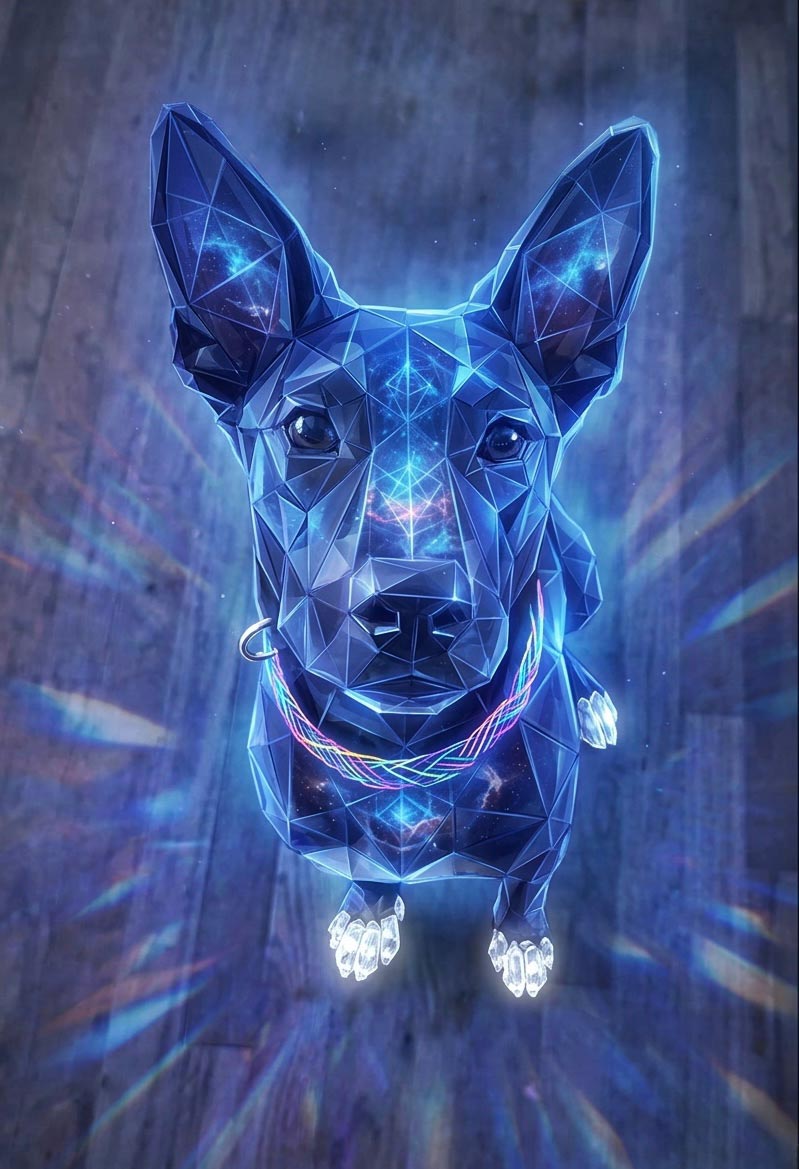
Long dog walks are for nothing if not visualizing whatever silliness pops into my head—which today happened to be our puppy Ziggy becoming an impossible object called a “Ziggule.”
I shared this with my cousin Alicia, who does a tremendous amount of work sheltering & rescuing dogs in Austin, and she requested a portrait of their current foster pooch (Tesseract). I was of course all too happy to oblige:
As it happens, folks at Google have had the same idea, and they’ve been putting Nano Banana to work helping zhuzh up pics of shelter pets in hopes of helping them find their forever homes. Let’s hear it for using AI & old-fashioned human creativity for good!
Photos play a big role in pet adoption.
We’ve teamed up with shelters across the country to give rescue pets glamorous headshots that show off their personalities, made with Nano Banana Pro.
As you’ve likely heard me say, I’ve gotten psyched up too many times about AI video-editing tech that fell short of its ambitions—but I’m hoping that this work from Adobe & Harvard collaborators can deliver what it describes:
We present Vidmento, an interactive video authoring tool that expands initial materials and ideas into compelling video stories through blending captured and generative media. To preserve narrative continuity and creative intent, Vidmento generates contextual clips that align with the user’s existing footage and story.
Per the site, Vidmento should enable:
Story Discovery: Surface the stories within captured clips.
Narrative Development: Suggest what’s needed to move the story forward.
Contextual Blending: Generating visuals that align with real footage.
Creative Control: Give creators controls to fine-tune the visuals and story.
The older I get, the harder it is to get the Kids These Days™ to grok just what a road-to-Damascus moment the arrival of the Mac presented. I flap my arms like some conspiracy nut at his cork board, trying in vain to convey the idea that in the pre-Mac days, personal computer “art” consisted of pecking out some green ASCII blocks on an Apple ][. Okay, grandpa, let’s get you to bed…
Anyway, predating even me (heh) is this glimpse of how computer animation was painstakingly eeked out via data tape (!) back in 1971.
Among the misbegotten “Oh, everyone will love this—but rarely will anyone actually use it” AR demos of 2017 (right alongside “See whether this toaster fits on my counter!”), imagining restaurants plopping a 3D model onto your plate was always a banger. Leaving aside whether anyone would actually want or value that experience, the cost of realistically modeling dishes was prohibitive.
This new tech at least promises to take the grunt work out of model creation, turning a single photo into an AR-ready 3D asset (give or take a tine or two ;-)):
AR GenAI by AR Code is transforming the food industry. Creating an AR experience for a dish can now start with a single photo.
As shown in the video, a single dessert photo is converted into an AR-ready 3D model with realistic textures and depth. AR Code SaaS then instantly… pic.twitter.com/s1H5do1UUf
“Wow, that’s some really sharp After Effects work,” I thought last year, when my wife showed me some animation her Airbnb colleague had created. But nope—the work came straight out of Canva.
Not content to chill with their surprisingly capable foundation, Canva is continuing to build out the “Creative Operating System” and has announced the acquisition of up-and-coming 2D animation tool Cavalry:
In their blog post they seem pretty adamant that the acquisition won’t result in dumbing down the core app:
Built for professional motion designers
Cavalry earned its place in the motion design world by doing something different. Its procedural, systems-based approach prioritises flexibility, repeatability, and performance. It wasn’t built as a simplified alternative; it was built specifically for professional motion designers and the complex workflows they rely on. That professional focus remains central.
We’ve invested in Cavalry because of its depth as a professional-grade motion tool. The goal isn’t to simplify what makes it powerful, but to support and strengthen it. Professional motion design demands precision, flexibility, and tools that can scale across complex projects.
Much as with their acquisition of Affinity, however, I’d fully expect Canva to integrate underlying tech into the core design platform, radically simplifying the interface to it—including by providing agentic and chat-based touchpoints.
As with the myriad node-based systems that sprung up last year, I wouldn’t expect most people to ever see or touch the underlying data structures. Rather, what’s essential is that the main tool can understand & modify them, so that it can deliver brilliant results at scale. That necessitates a very approachable, and totally complementary, UX.
I try not to curse on this blog, doing so maybe a dozen times in 20+ (!!) years of posting. But circa 2013-2017, when I saw what felt like uncritical praise for Adobe’s voice-driven editing prototypes, I called bullshit.
The high-level concept was fine, but the tech at the time struck me as the worst of both worlds: the imprecision of language (e.g. how does a normal person know the term “saturation,” and how does an expert describe exactly how much they want?) combined with the fragility of traditional selection & adjustment algorithms.
Now, however, generative tech can indeed interpret our language & effect changes—and in the case of Krea’s new realtime mode, in a highly responsive way:
Whether or not voice per se becomes a popular modality here, closing the gap between idea & visual is just so seductive. To emphasize a previously made point:
We simply have not started rethinking interactions from the grounds up.
So many possibilities wide open when you think of human – AI in micro feedback loops vs automation alone or classic back and forth. https://t.co/iVKb02SbdU
I got into the Mac scene just a touch too late to have interacted with Aldus (acquired by Adobe in 1994), and I’m sorry not to have known the late Paul Brainerd, who passed away a couple of weeks ago. To mark the occasion, some friends have been resharing this video, created when the company became part of the Big Red A. It’s fun to see a few familiar faces & to remember the tech vibe of those early days:
I had no idea that the ol’ girl had it in (er, on) her—but this is too odd & thus interesting not to pass along:
Meanwhile, speaking of odd: Having just visited the Mojave aircraft boneyard (see pics) and Spaceport, from which the weird creations of Burt Rutan & co. operate, I couldn’t resist trying this silliness:
I asked Nano Banana to imagine legendary aircraft designer Burt Rutan rocking the sort of canard wings he loves including on planes.
I couldn’t have contrived a better example of the power & pitfalls of generative imaging if I tried.
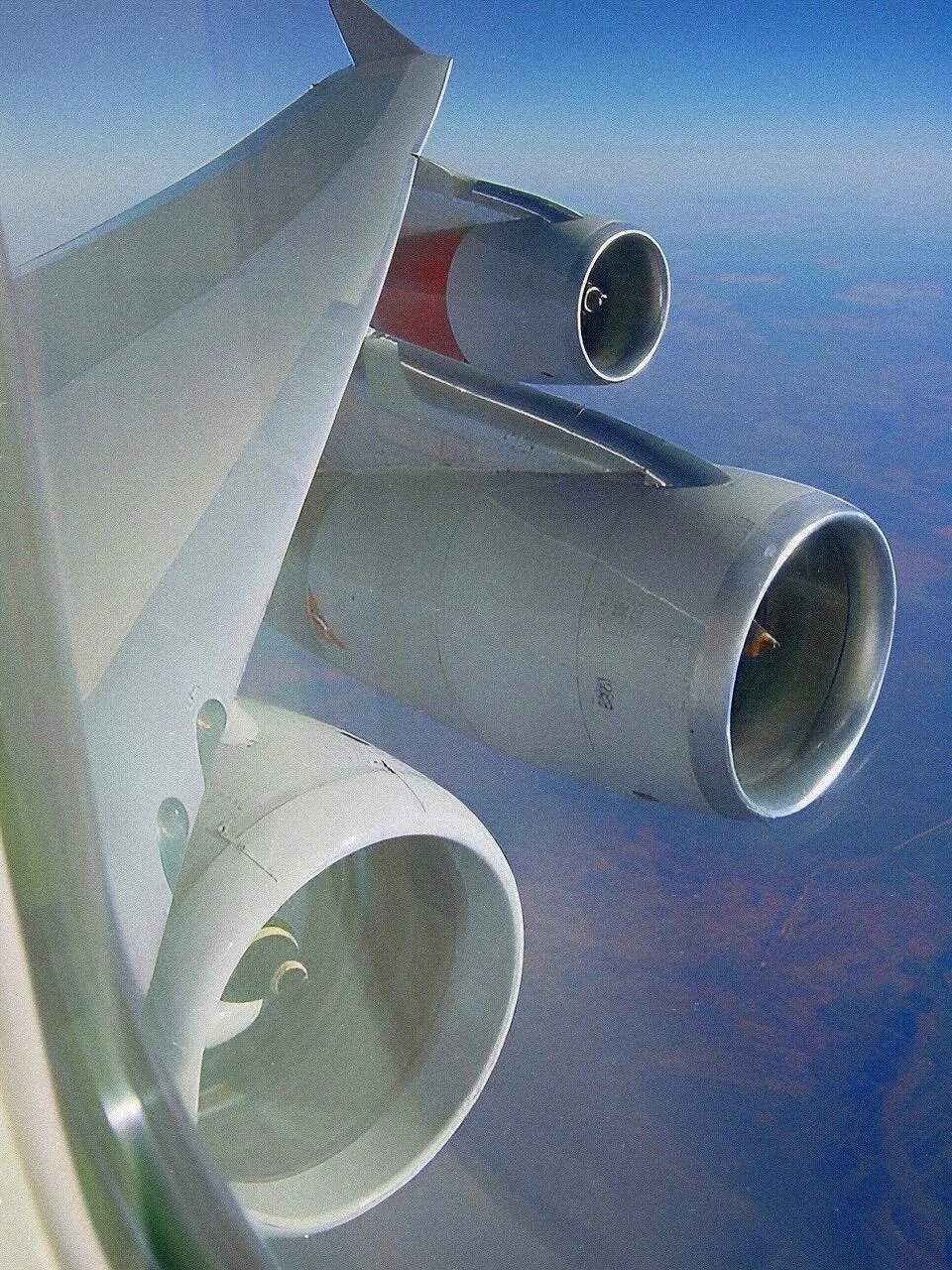
Here’s a pretty crummy cell phone picture I took yesterday from a moving train & then enhanced with a single prompt using Gemini. The results are incredible—if you don’t really care about the exact capacity of your jumbo jet! 🙂
The current state of AI-driven editing drives home the wisdom of that old Russian staying, “Trust… but verify.”
This also highlights the subtle treachery of AI photography: look how it shortened the 747! pic.twitter.com/Yga5oo1D0B
When it rains, it pours: No sooner did I post about text->vector than I saw two new entrants in that space. The new Quiver AI is claimed to have “solved vector design with AI”:
Introducing @QuiverAI, a new AI lab and product company focused on frontier vector design.
We’ve raised an $8.3M seed round led by @a16z, with support from amazing angels and investors.
Our first model, Arrow-1.0, generates SVGs from images and text. It’s available now in… pic.twitter.com/mLoeM2UpGf
Here’s my first quick test, in which Quiver & Illustrator utterly smoke direct chat->vector output in Gemini & ChatGPT:
Testing text->vector in the new @QuiverAI vs. Adobe Illustrator and (yikes!) Gemini and ChatGPT. (Prompt: “A three-quarter view of a silver 1990 Mazda Miata.”) pic.twitter.com/MjTuFYLGQ3
Elsewhere, Hero Studio promises great image->SVG conversion. I’ve applied for access & am eager to take it for a spin:
You can now bring your images to life, just upload any image and it turns it into a clean and precise SVG. we’re using a custom model specifically trained for SVG recognition and generation. the results are insane pic.twitter.com/s6e4tJ4IWm
When we launched Firefly three years ago (!), we talked up prompt-based vector creation. When the feature later arrived in Illustrator, it was really text-to-image-to-tracing. That could be fine, actually, provided that the conversion process did some smart things around segmenting the image, moving objects onto their own layers, filling holes, and then harmoniously vectorizing the results. I’m not sure whether Adobe actually got around to shipping that support.
In any case, Recraft now promises create vector creation directly from prompts:
My longtime Adobe friend Adam Pratt founded the media digitization & preservation company Chaos to Memories a few years ago, and now he and his team have really comprehensive overview of the various formats one may encounter:
Every photo project should start with gathering all these materials because it helps us grasp the scope of your project and work efficiently. To help you identify the different types in your collection, many common photo, video, audio, and digital formats are explained in the list below.
I’ve really enjoyed collaborating with Black Forest Labs, the brain-geniuses behind Flux (and before that, Stable Diffusion). They’re looking for a creative technologist to join their team. Here’s a bit of the job listing in case the ideal candidate might be you or someone you know:
BFL’s models need someone who knows them inside out – not just what they can do today, but what nobody’s tried yet. This role sits at the intersection of creative excellence, deep model knowledge, and go-to-market impact. You’ll create the work that makes people realize what’s possible with generative media – original pieces, experiments, and creative assets that set the standard for what FLUX can do and show it to the world
— Create original creative work that pushes FLUX to its limits – experiments, visual explorations, and pieces that show what’s possible before anyone else figures it out
— Collaborate with the research and product teams from the start of training/product development to understand the core strengths of each new model/product and create assets that amplify and showcase these. You will also provide feedback to those teams throughout the development process on what needs to improve.